Panascope’s innovation model does not chase exotic new modalities. Instead, it makes existing imaging technologies more reliable, easier to use, and safer for patients. The focus is the 95 % of radiology that is routine — making that routine consistently excellent.
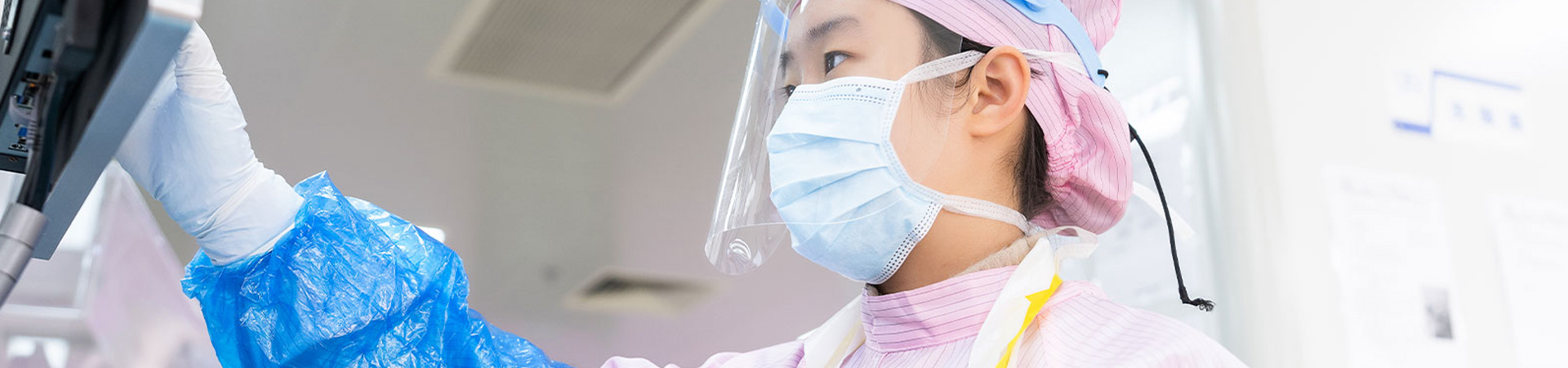
Since 2007, R&D has been oriented toward highly dependable imaging systems, grounded in direct observation of radiology workflows, common image artifacts, and the evolving needs of radiologists and technologists. No invention for its own sake. Disciplined innovation: select the right technology — mature or emerging — and implement it with rigorous, evidence based validation.
Today, innovation lives in a collaborative ecosystem: product definition, quality assurance, application support managed by Panascope; precision assembly and integration carried out by a select network of world class partners. This model — intelligent specialization — enables remarkable agility: responsive service, flexible distribution, short feedback loops from users to engineering. Technical coordination is centralized in Shenzhen, with partnerships extending across China’s most advanced imaging production bases.
A significant portion of Panascope’s talent is dedicated to product development, quality engineering, and clinical validation — detector calibration, MRI coil design, CT reconstruction algorithms, human centered workflow design. Close collaboration with hospital radiology departments, academic imaging centers, and independent testing organizations.
Radiation safety is embedded in every X ray based system. DR, CT, fluoroscopy, and angiography platforms include automatic exposure control (AEC), iterative reconstruction (on CT), and dose tracking software to maintain ALARA standards. For MRI: specific absorption rate (SAR) management and acoustic noise reduction. Dose intelligence helps technologists produce diagnostic images at the lowest achievable dose — measurable engineering outcome, not marketing claim.
Minimal keystrokes, smooth transitions between modalities. Contrast injectors communicate directly with CT and MRI scanners — injection timing synchronized with acquisition, no manual triggering, no missed phases. Dry imagers accept DICOM print jobs from any modality. Workstations integrate with major PACS vendors. Workflow continuity means technologists spend less time managing devices, more time with patients.
A scanner that is hard to service will spend more time down. Downtime means delayed diagnoses, rescheduled patients. Modular components, remote diagnostic access (with cybersecurity safeguards), clear service documentation. Field engineers can replace a DR detector panel, recalibrate an MRI gradient amplifier, or update CT reconstruction software with minimal interruption. Serviceability is an engineering discipline, not an afterthought.
No aggressive post processing that hides noise or sharpens beyond clinical reality. Image pipelines present what is actually there — because radiologists’ judgment depends on true texture, edge characteristics, contrast relationships. Image honesty also means no dose reduction techniques that silently degrade low contrast detectability. If a protocol reduces dose, the trade off is documented clearly.
Subscribe to exclusive imaging insights & priority updates from Panascope. Elevate your practice with curated intelligence.
© Nortek HealthCare Group Ltd., 2009-2026. All rights reserved.
This site operates under the laws of the People's Republic of China. Your access and use constitute acceptance of these Terms of Use and our Privacy Policy. All content is governed by our Privacy Notice. For details or inquiries, please Contact Us or use the site's search function.

